

Popira Yeasmin and N.C. College Students’ Brave Protest – Karimganj Renaming Controversy
N.C. College & Sribhumi Protest 2025 - MCQ Quiz
Test your knowledge about the student protest, renaming controversy, and historical context
Quiz Completed!
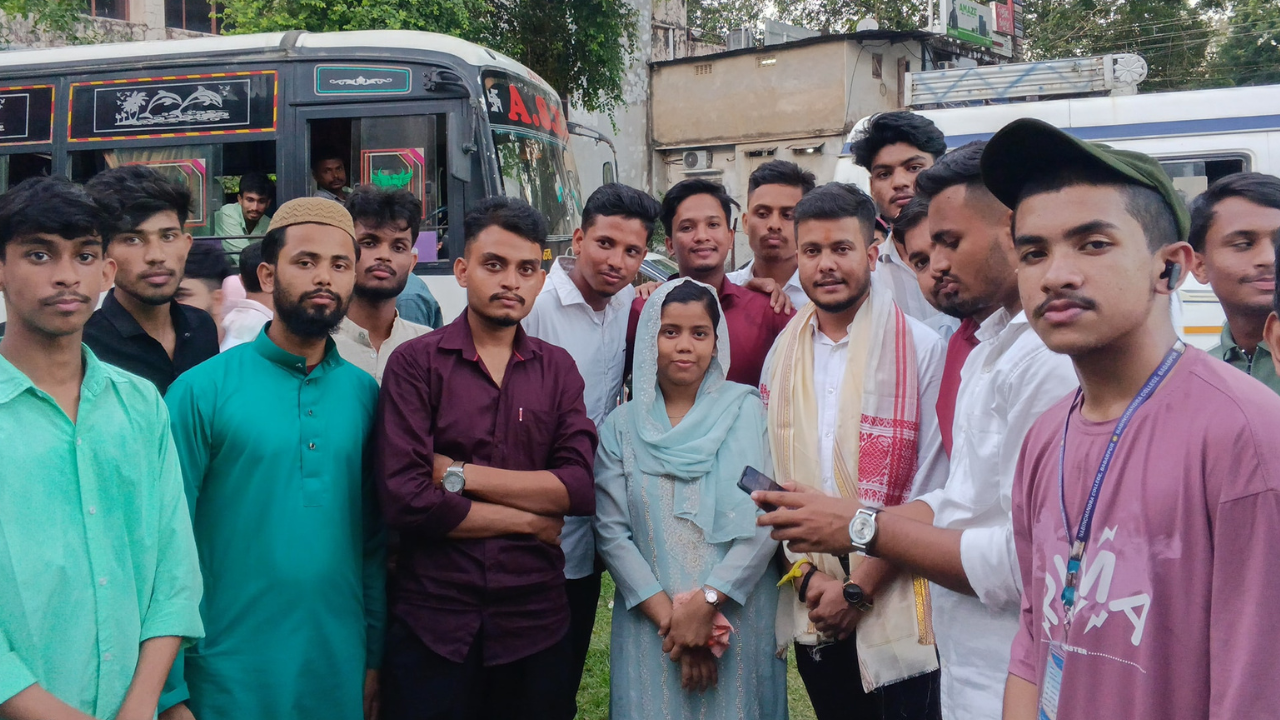
On September 6, 2025, the Barak Valley in Assam witnessed a historic student protest against the renaming of Karimganj district to “Sribhumi.” Nabin Chandra College (N.C. College), Badarpur, became the epicenter of this movement, where students, led by Popira Yeasmin, took a firm stand. This was not merely a student protest—it highlighted religious and cultural divisions, as only students from a specific community participated, raising questions about communal dynamics.
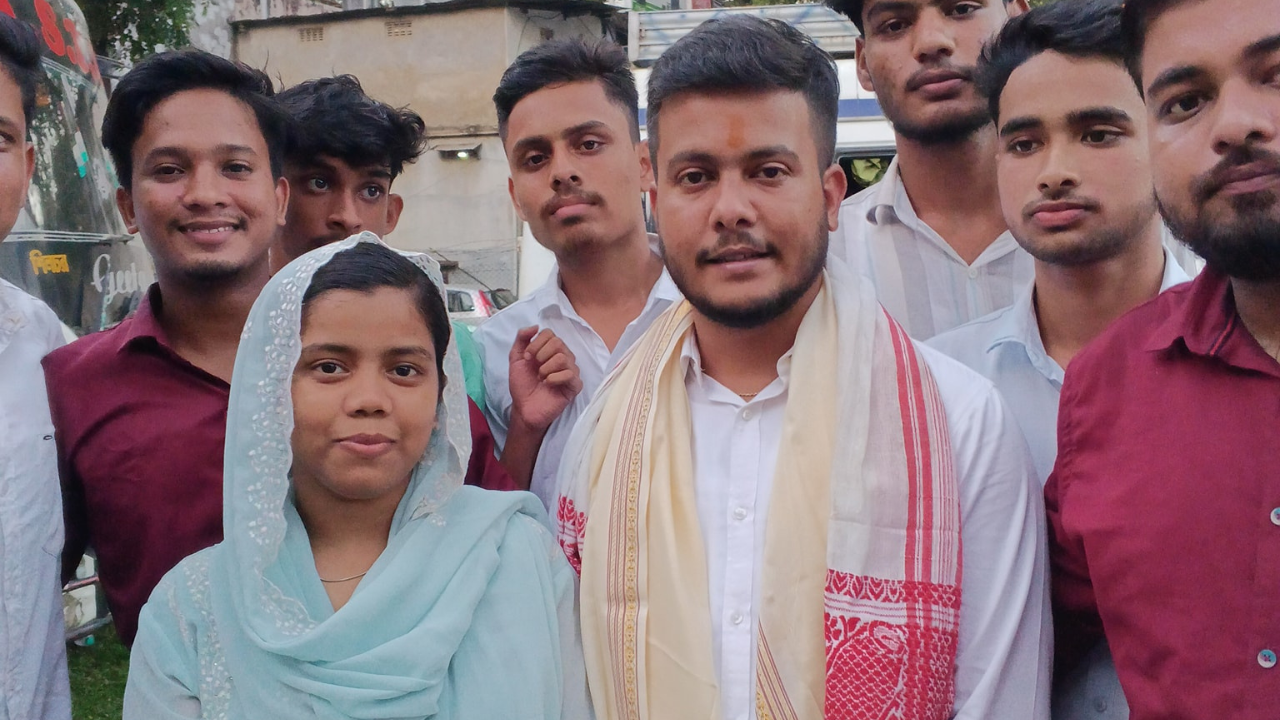
Popira Yeasmin, a resident of Badarpur and a student of N.C. College, emerged as the leader of this protest, mobilizing thousands of students to oppose the government decision. Police and local administration detained over 110 individuals, including one faculty member, under preventive sections like Section 163 BNSS, due to roadblocks, stone-pelting, and tire burning by protesters.
The renaming of Karimganj to Sribhumi traces back to November 2024, when the Assam Cabinet, led by Chief Minister Himanta Biswa Sarma, officially approved the change to honor the area’s cultural heritage. “Sribhumi,” meaning “Land of Prosperity,” was inspired by Rabindranath Tagore’s 1919 description of the region, highlighting its beauty and prosperity. While intended as a tribute, the decision was met with resistance from sections of the Muslim-majority Barak Valley, who perceived it as a political maneuver erasing local identity.
Local media and social platforms reported varied narratives. While mainstream channels labeled it merely a “student protest,” ground reality suggested it was deeply tied to cultural and communal identity. Popira Yeasmin’s leadership and courage brought significant attention to the issue, with social media recognition across Instagram, X, Threads, and YouTube. More info visit now lafznews.com
Social Links of Popira Yeasmin:
Karimganj to Sribhumi Protest – Historical Context and Student Release
The roots of this controversy date back to the 1947 Partition. Sylhet was divided, with most of it becoming East Pakistan (now Bangladesh) and Karimganj remaining in Assam. Historical voting divisions in the Hindu and Scheduled Caste communities impacted local identity, creating longstanding socio-political tensions.
On September 6, 2025, N.C. College students, mostly from the Muslim community, enforced a district-wide bandh. Hindu and non-Muslim students did not participate, making it a contentious communal event. The administration had imposed Section 163 to maintain law and order. Students blocked roads, engaged in stone-pelting, and the police resorted to lathi-charge, leading to multiple injuries.
After two months, on December 6, 2025, all detained students and the professor were released. Local communities hailed this as a historic victory for student activism. Popira Yeasmin’s leadership was widely praised, highlighting the courage and resilience of young citizens defending cultural identity.
This movement underlines the significance of youth-led activism in Assam, especially in Barak Valley, where issues of heritage, language, and identity remain highly sensitive. The protest was not just about a name—it symbolized the preservation of cultural memory, pride, and communal awareness. Popira Yeasmin’s role inspired students and citizens alike to engage in civic dialogue responsibly.
The story of the Sribhumi protest, the arrests, and the subsequent release embodies Assam’s complex history, student activism, and the importance of cultural identity in modern India.


Pingback: Heroism Maulana Abdul Basit and Youth Save Seven Lives